
Guessing About Recovery? Whoop Tells You When to Push and When to Rest
11/26/20252 min read
Understanding the Problem of Overtraining
In the realm of fitness, many athletes grapple with the issue of overtraining. Striving to improve performance, individuals often push themselves to the limit without acknowledging the signs of fatigue their bodies exhibit. Unfortunately, this lack of awareness can lead to poor sleep patterns, increased stress, and ultimately, a decline in overall performance. When it comes to knowing how recovered one's body truly is, guessing is often the norm, leading to suboptimal training regimens.
Introducing Whoop: The Solution for Athletes
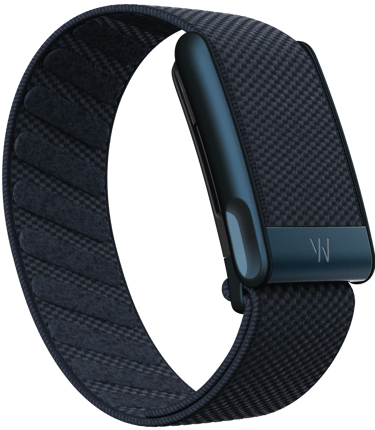
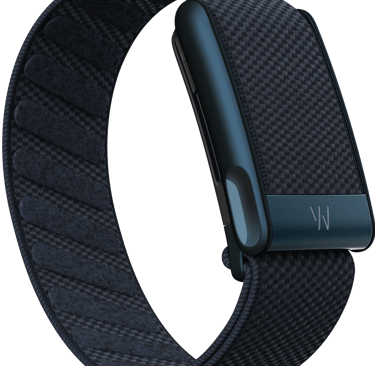
Whoop, a groundbreaking fitness tracker, emerges as a beacon of hope for serious athletes battling overtraining. Unlike conventional fitness trackers, Whoop provides powerful insights through its advanced technology, allowing users to push their limits while effectively understanding when to rest. Some of the remarkable features include continuous Heart Rate Variability (HRV) tracking, intricate sleep analysis, personalized strain scores, recovery scores, and expert coaching insights.
Key Features and Benefits of Whoop
One of the standout features of Whoop is its continuous HRV tracking. HRV is a critical indicator of recovery; higher HRV scores generally signal a well-recovered body, while lower scores can imply stress or fatigue. Monitoring HRV consistently allows athletes to optimize their training schedules—balancing harder workouts with adequate recovery days.
Moreover, Whoop excels in analyzing sleep patterns. By understanding sleep quality and quantity, athletes can make informed decisions to enhance recovery, which is essential in avoiding burnout. As a result, the Whoop band not only helps in preventing overtraining but also promotes improved performance through effective recovery.
Strain scores offered by Whoop guide users by illustrating the amount of physical exertion they have experienced during workouts. With these insights, athletes can discern between the strain they can handle and the strain that could jeopardize their recovery. This feature forms the bedrock of Whoop’s promise to prevent burnout and promote sustainable athletic performance.
On the downside, while Whoop is expected to revolutionize athletic training, some users may find the subscription model unappealing. Additionally, the band may take some time to get accustomed to wearing throughout the day and night, which is essential for accurate readings.
By leveraging HRV insights to improve recovery, Whoop encourages athletes to adopt a tailored approach to their training journeys. In the landscape of fitness, it is often the best fitness tracker for serious athletes seeking not just to measure performance but to elevate it through data-driven insights.
Conclusion and Call to Action
In summary, the Whoop band stands out as a transformative tool for athletes aiming to optimize their training and recovery. Understanding your body should no longer be an act of guesswork. With Whoop’s extensive features, athletes can make well-informed decisions leading to improved performance and prevention of overtraining. For more information and to explore whether Whoop is the right fit for your needs, click here for details.
Questions? Reach out anytime.
Contact
801-872-4357
© 2025. All rights reserved.